Senior dog care · 8 min read · October 23, 2026
By the StayWith team
Senior Dog Care: Making an Old Dog's Days Good
Senior dog care is not about fighting old age. It is about making each day comfortable, familiar, and still worth enjoying. The core of it is simple: see your vet about twice a year, because old dogs change fast. Make the house easier to move through, with rugs on slippery floors and ramps where jumping used to happen. Watch closely for quiet signs of pain, because dogs hide it well. And protect the pleasures: the sniffy walk, the favourite spot, the evening ritual. An old dog does not need a bigger life. They need their own life, made gentler.
When is a dog considered a senior?
Vets generally count a dog as senior in the last quarter of their expected lifespan, which is why size matters so much. Small breeds often live 15 years or more, so a small dog may not be senior until 11 or 12. Medium dogs are usually senior around 9 or 10. Large and giant breeds age fastest of all, and a giant breed dog can be a senior at 6 or 7.
Greying fur, slower recovery after exercise, more sleep, and clouding eyes are the visible markers. The invisible ones, like early kidney or heart changes, are why regular vet checks matter even when your dog seems fine.
How often should a senior dog see the vet?
PetMD and most veterinary guidance recommend checkups every six months for senior dogs, twice the cadence of younger years. Six months in an old dog's life can contain a lot of change, and problems like arthritis, dental disease, and kidney disease are all easier to help when caught early. These visits usually include bloodwork and a weight check.
Between visits, keep simple notes at home: appetite, water drinking, sleep, mobility, and any new lumps. A dated list on your phone turns a vague feeling into information your vet can use.
How can you make your home easier for an old dog?
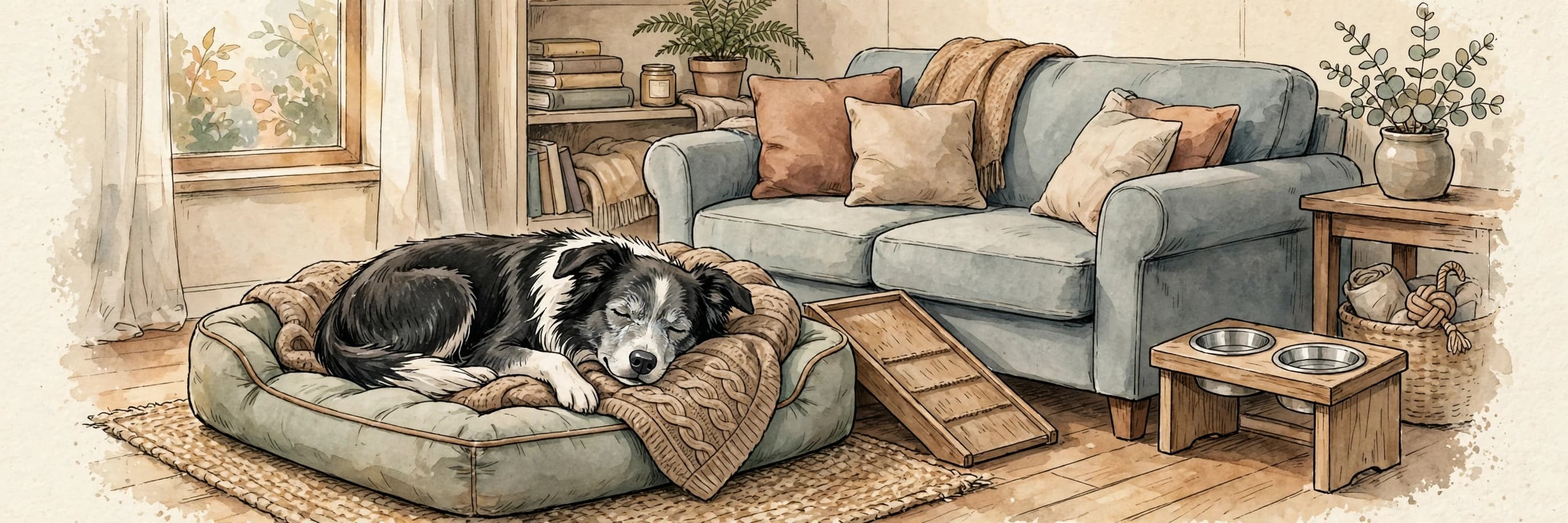
Start with floors. Hardwood and tile are skating rinks for arthritic legs, so lay rugs or runners along the routes your dog walks most. A rug that stays put can restore a surprising amount of confidence.
Replace jumping with climbing. A ramp or a set of wide steps to the sofa or the car ends the risky leap. Raised food and water bowls spare a stiff neck. A night light on the route to the garden helps dogs whose eyesight and night vision are fading, and a firm, supportive bed in a warm, draft free spot protects sore joints.
The car deserves the same thinking. A ramp or a folding step makes the boot or back seat reachable without the jump that jars arthritic hips, and a non slip mat inside stops sliding on the journey. Outside, keep the toilet area close to the door, with a clear path and a light at night, because old dogs need to go more often and cannot always wait. In winter, a warm coat for short haired old dogs and a dry towel by the door turn a cold walk into a comfortable one.
What should you know about appetite and weight in old dogs?
Appetite changes in a senior dog deserve attention in both directions. Eating less can signal dental pain, nausea, kidney trouble, or simply a dulling sense of smell, and warming food slightly can help by releasing more scent. Eating the same but losing weight, especially muscle over the hips and spine, is a classic sign something needs checking.
Gaining weight is the opposite risk: less activity on the same food becomes obesity, which loads arthritic joints and strains the heart. PetMD notes that weight management is one of the highest impact things you can do for an older dog's comfort. Smaller, more frequent meals suit many old dogs better than large ones, and any steady change in weight is worth a vet call.
What changes should you make to feeding an old dog?
Old dogs often do better on food made for their stage of life. Senior diets are usually lower in calories but still rich in good quality protein, because old dogs need protein to hold on to muscle even as they move less. If your dog has kidney trouble, your vet may suggest a diet lower in phosphorus, and if their teeth hurt, a softer texture or food soaked in warm water can make meals possible again.
Supplements come up a lot in this conversation, and the honest picture is mixed. Omega-3 fatty acids from fish oil and joint supplements such as glucosamine are widely used, and some dogs clearly move more easily on them, but the evidence is modest rather than dramatic. They are not a substitute for pain relief prescribed by your vet. Always ask before adding anything, because supplements can clash with medication.
The practical basics matter most: fresh water in more than one place, because old dogs drink more and move less; food served at the same times each day; and a raised bowl if bending down has become an effort. A dog who eats with interest is telling you something good about their day.
How much exercise does a senior dog need?
Most senior dogs still need daily exercise. Shorter walks, more often, beat one long march. Flat routes beat hills, and your dog sets the pace.
Build sniff walks in deliberately. Sniffing is serious mental work for a dog, and twenty slow minutes of investigating every smell can tire and satisfy an old dog more kindly than a brisk walk twice as long. On bad weather or sore joint days, a lick mat or a rolled towel with treats hidden inside gives the brain a job instead.
What pain signs do owners commonly miss?
Dogs rarely cry out in pain. Instead they go quiet, and owners read the change as simply slowing down with age. PetMD lists the subtle signs to watch for: reluctance to jump, climb stairs, or get up after rest; stiffness that eases after moving; licking or chewing at a joint; panting or restlessness at night; snapping or flinching when a sore spot is touched; and losing interest in walks or play.
Any of these is a reason to book a vet visit, not to wait for the next scheduled one. An old dog who seems merely quiet may brighten noticeably once pain is treated. Slowing down is a symptom, not a personality change.
A simple daily diary helps your vet far more than a vague feeling. Once a day, jot down appetite, walking distance, how long it took them to settle at night, and one number from 1 to 10 for how comfortable they seemed. Over a few weeks, a pattern appears, and it is much easier to act on than a memory. Vets also use structured quality of life scales, such as the HHHHHMM scale developed by Dr Alice Villalobos, which scores hurt, hunger, hydration, hygiene, happiness, mobility, and more good days than bad. Ask your vet to walk through it with you at a checkup. It turns an agonising judgement call into a conversation with visible numbers.
Why do some old dogs pace or seem restless at night?
Night time restlessness in senior dogs is often linked to canine cognitive dysfunction, a condition similar to dementia in people. Signs include pacing after dark, staring at walls, getting stuck in corners, and disrupted sleep. Pain and a need to toilet more often can cause similar behaviour, so a vet visit comes first to rule out treatable causes.
Routine genuinely helps: same feeding times, a calm wind down, a last garden visit, and a night light. A dog who has had company, gentle activity, and interesting smells sleeps better than one who has spent the day alone with their confusion. If the waiting and worrying about what comes next weighs on you, our article on anticipatory grief is written for exactly that stage.
How do you keep a senior dog's mind active?
An old dog's body slows down, but their brain still wants work, and boredom makes confusion worse. The trick is to make the work gentle. A lick mat smeared with a little peanut butter or wet food, a rolled towel with treats hidden in the folds, or a simple puzzle feeder turns a meal into ten minutes of thinking. Sniff walks count too: twenty slow minutes of investigating every smell is serious mental exercise for a dog.
Short training sessions still work at any age. Teaching an old dog a new trick, or simply asking for a familiar one and rewarding it warmly, gives them a small success to feel good about. Keep sessions to five minutes and stop while they are still enjoying it.
New experiences help as well, at their pace: a different street, a visit from a favourite person, a car ride to somewhere with new smells. What you are watching for is interest. A dog who still perks up at something new is a dog whose mind is still very much in the room.
Why is joy part of senior dog care too?
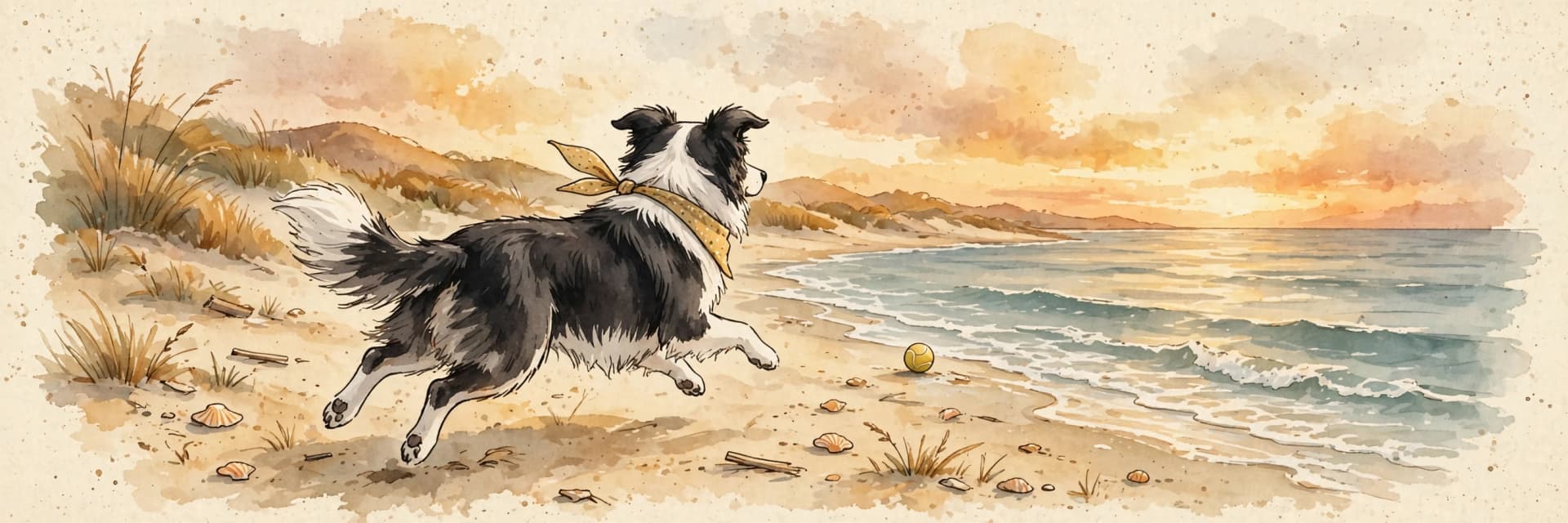
Because comfort keeps a dog going, but joy is what the going is for. Old dogs still have pleasures: a specific treat, a car ride with the window cracked, rolling in grass, visiting a favourite person. Build them into the week on purpose. Routines are not a rut for an old dog; they are the structure that makes the world feel safe.
If you want ideas, our dog bucket list gathers small adventures, most of which adapt easily to old legs. Our guide to signs your dog is dying explains the later changes honestly, so you are not left guessing when it matters most.
Frequently asked questions
How often should I take my senior dog to the vet?
About every six months, as PetMD recommends for older dogs, with bloodwork and a weight check. Go sooner for any change in appetite, drinking, mobility, or behaviour, since small changes can signal treatable problems.
My old dog sleeps almost all day. Is that normal?
Older dogs do sleep much more, often 16 to 18 hours, and deep sleep after a walk or meal is normal. What is not normal is sleep paired with disinterest in food, people, or favourite things, or trouble settling at all, and that pattern deserves a vet visit.
Should I stop walking my dog because of arthritis?
Usually not. Gentle, regular movement keeps arthritic joints looser and muscles stronger, and most vets encourage short, frequent walks on soft, flat ground. Let your dog set the pace, and ask your vet about pain relief so walks stay pleasant.
What is the best bed for a senior dog?
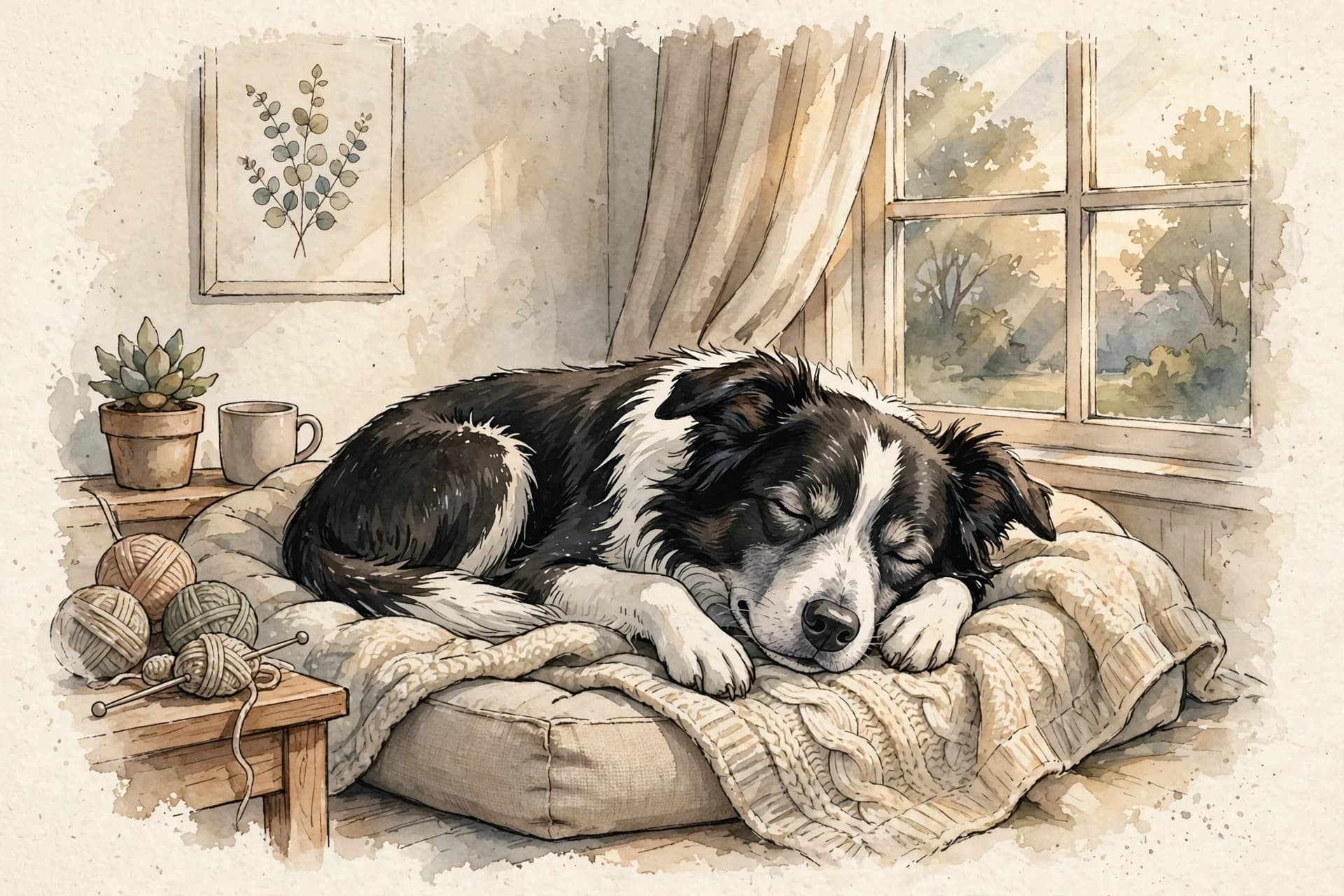
A firm, supportive bed, ideally memory foam, placed in a warm spot away from drafts, with a low edge or no edge so getting in is easy. The best bed is the one your dog can reach without jumping and will actually choose every night.
How can I tell if my old dog still has a good quality of life?
Count the good parts of a normal day: eating with interest, enjoying company, moving comfortably enough, and still showing a spark for a favourite thing. When pain, confusion, or distress outweigh those moments most days, talk honestly with your vet about what comes next.