Living with your dog · 8 min read · October 23, 2026
By the StayWith team
The Dog Bucket List: 15 Things to Do With Your Dog While You Can
A dog bucket list is simply a short list of good days you promise to actually have with your dog, instead of endlessly planning to. Dogs do not need grand adventures. They need you, somewhere interesting, at their pace, with snacks. The 15 ideas below mix free outings with small treats, and most cost nothing but time. Pick the ones that sound like your dog, spread them over weeks or months, and take one photo and one short video at each. You are not racing a deadline. You are collecting days on purpose, while your dog is here to enjoy them with you.
What should go on a dog bucket list?
The best lists are built from what your dog already loves, stretched slightly. A water dog gets the beach. A social dog gets visitors. A nose led dog gets new places to smell. Here are the 15, in no particular order:
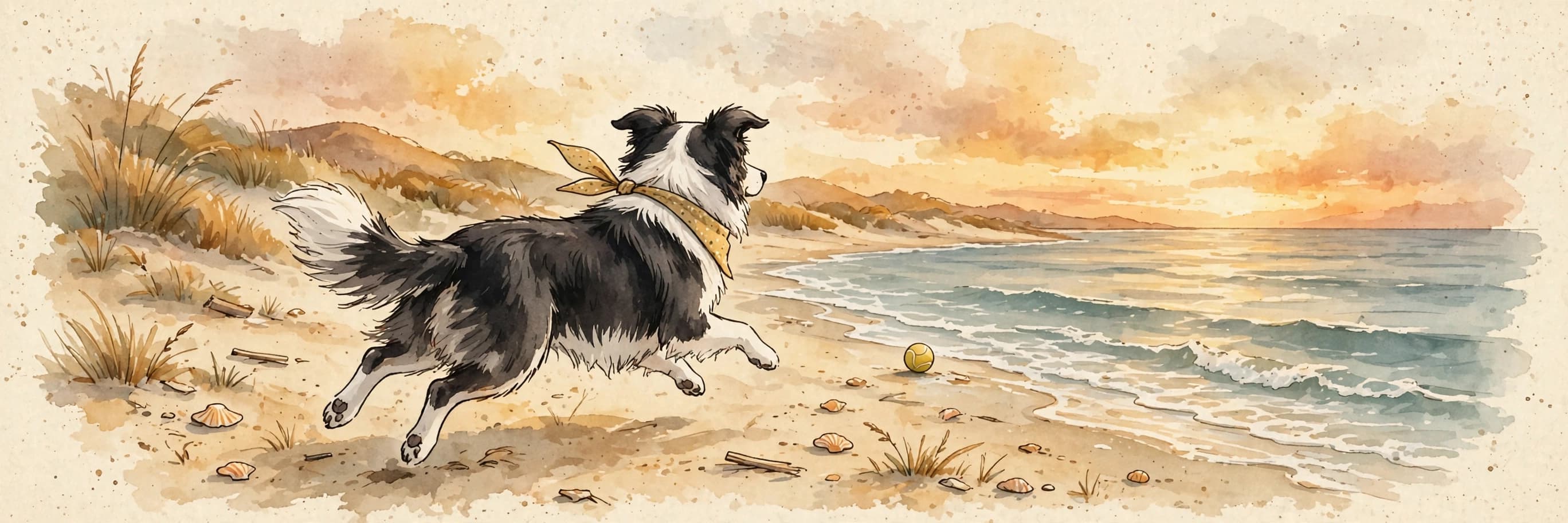
- The beach day. Sand, shallow water, and a dog watching waves like television. Go early or late to dodge heat and crowds, bring fresh water, and let them dig one glorious hole.
- The puppuccino run. Drive to a coffee shop that serves a puppuccino or pup cup, take the long way home, windows down a crack if your dog loves the smells.
- A picnic on their blanket. Pack sandwiches for you and safe treats for them, find shade in a park, and do absolutely nothing at dog pace for an hour.
- The friends and family visit tour. Make a round of the people your dog adores: grandparents, neighbours, the cousin who always sneaks them a biscuit. One visit per weekend, belly rubs guaranteed.
- A professional photo together. Book a short session with a pet photographer, or ask a talented friend, and be in the pictures yourself. Owners are always missing from the album, and these become the photos that matter most.
- The yes day. One day of small forbidden pleasures, kept within limits your vet would approve: a few bites of plain cooked burger, a lick of dog safe ice cream, breakfast served in bed. Joy, portioned sensibly.
- Camping, or a garden sleep out. A night in a tent with your dog is a core memory for both of you. No campsite nearby? A tent or blanket fort in the garden works, with the house ten steps away.
- The car ride to nowhere. No vet, no errand, just driving. Some dogs love motion and window smells more than any destination. End at a drive through or a scenic stop for a treat.
- Sunrise at their favourite spot. Set one early alarm, take coffee in a flask, and watch the day start from the bench, hill, or beach your dog knows best.
- The toy shop choice. Visit a pet shop that welcomes dogs and let yours browse the toy aisle properly, nose to shelf. Whatever gets the longest investigation comes home.
- A patio lunch together. Choose a dog friendly cafe or restaurant patio, bring their mat and a chew, and enjoy being out in the world as a pair.
- A splash day. Paddling pool in the garden, a sprinkler to supervise, or a gentle lake shore. Add floating toys and towels you do not care about.
- The favourite friend playdate. Arrange a reunion with the dog yours loves most, the old walking companion or the neighbour's best friend, and let them have their own small party.
- A sniff safari. Drive to a park, woodland, or riverside path your dog has never visited and walk it entirely at nose speed. New smells are a whole holiday to a dog.
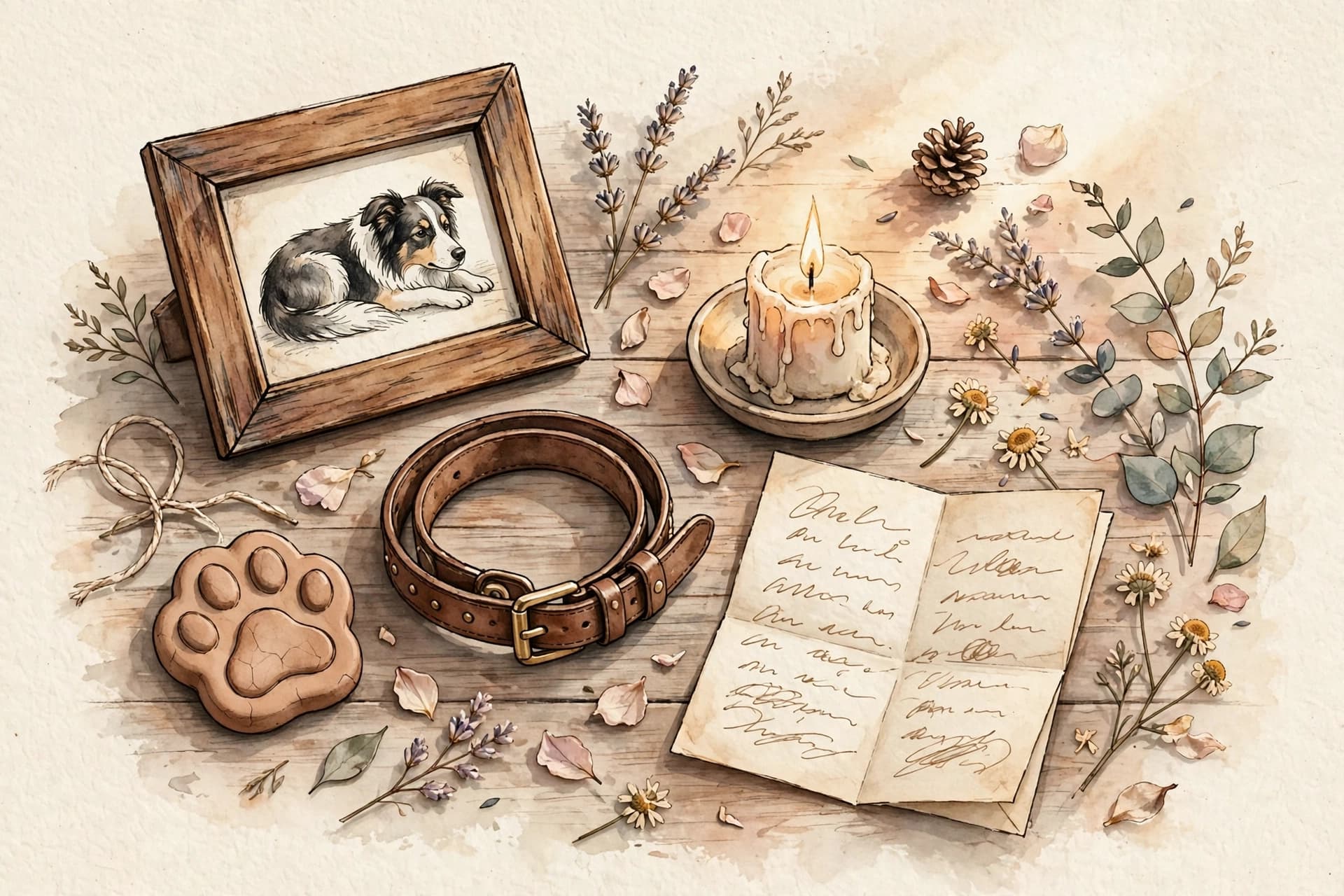
- Paw print keepsakes together. Make salt dough or ink paw prints, and one print beside your own handprint. Do it on a calm afternoon as an activity, not an errand, and bake or frame the results together.
What does each item cost, and how do you adapt it for old dogs?
Most of the list costs nothing at all. The beach day, the picnic, the sunrise, the sniff safari, the car ride to nowhere, the garden sleep out, and the friends visit tour are free except for petrol and snacks. The treats are small: a puppuccino is usually a few dollars or free at dog friendly coffee shops, a yes day costs the price of a burger and a scoop of dog safe ice cream, and a patio lunch is whatever you would spend on lunch anyway. The two real expenses are the professional photo session, which varies widely but is often the price of a family dinner out, and the toy shop choice, which costs one toy. All in, a full list can be done for less than a single vet visit, and most owners spend far less than that.
For old or frail dogs, every group has a softer version. Outings shrink to twenty minutes at the shoreline instead of a full beach day, and the sniff safari becomes one new street walked at nose speed. Treats get smaller and simpler: a lick of ice cream instead of a bowl, a single bite of burger instead of a plate. At home ideas barely need changing at all, the garden sleep out, the picnic, and the splash day work for almost any dog, and the paw print keepsake is often easiest with an old dog who is happy to lie still. The visit tour flips direction, with friends coming to your dog instead of your dog travelling to them. Adapting is not a lesser version of the list. It is the list, fitted to the dog in front of you.
How do you capture each one without ruining it?
Keep it to a simple rule: one photo and one video each time. Take them in the first few minutes, then put the phone away and be in the day. The video matters more than people expect, because it holds the sounds and movements a photo cannot: the splash, the snore on the drive home, the full body wag at the cafe door.
If you want more ways to hold on to these days later, our article on keeping your pet close gathers the gentle options, from printed albums to modern keepsakes.
At the end of the week, do something small with what you captured. Print one photo from each outing and stick it on the fridge, or drop the videos into a shared family album so everyone can see them. A short note beside each one, one line about what happened, turns a pile of pictures into a story you will actually revisit. The album does not need to be fancy. It needs to exist, in a place you will find it on a hard day.
How do you adapt the list for an old or sick dog?
Shorter, softer, closer to home. Every idea above has a smaller version. The beach day becomes twenty minutes at the shoreline with a windbreak and a blanket. The picnic moves to the garden. The visit tour becomes visitors coming to you, one at a time, so your dog gets the love without the travel. The sniff safari becomes one new street, explored slowly.
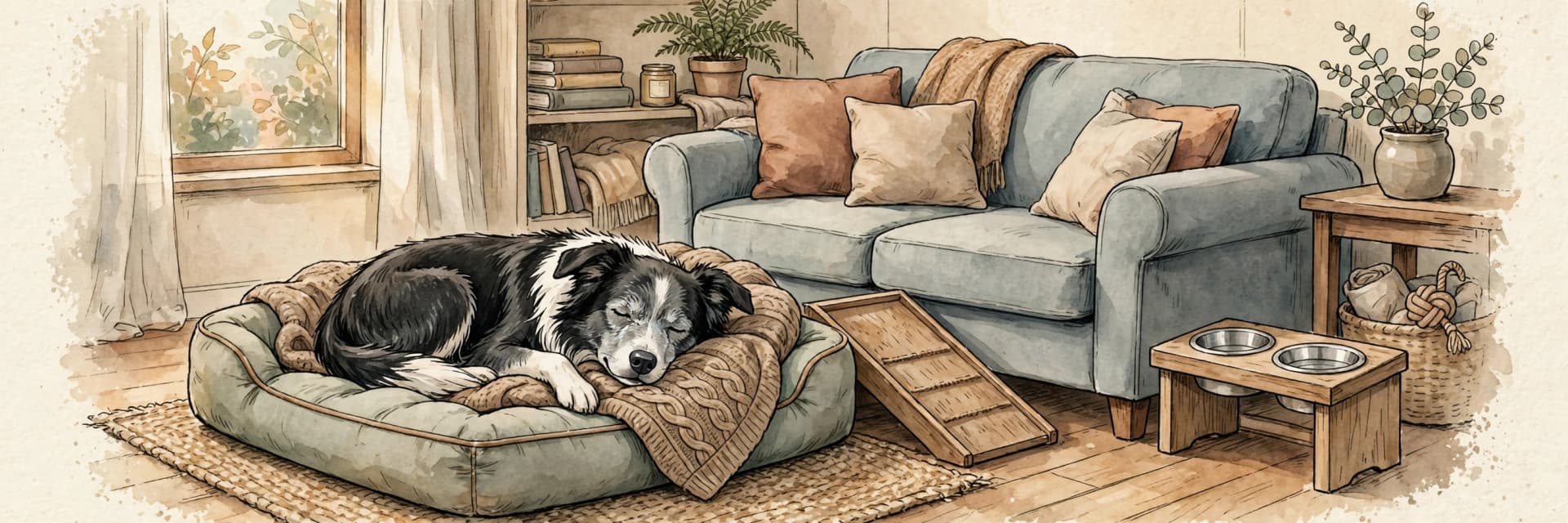
For old dogs, watch the recovery, not just the day itself. A good bucket list day should leave your dog pleasantly tired, not wiped out the next morning. Build rest days between adventures, keep pain relief and vet advice in the plan, and treat adapting an idea as success, not compromise. Our senior dog care has the comfort basics that make these outings possible for older dogs, from ramps to rug covered floors.
A note for owners of dogs near the end of life: two or three items from this list, done gently, are plenty. Your dog will not count what was missed. They know the blanket, the car, and your voice, and those were always the point. If the harder days are close, the comfort ideas in pet memorial ideas may help you think about what comes after.
If you are unsure whether an outing is too much, ask your vet a simple question: what would a good day look like for my dog this week. The answer gives you a limit you can trust, and it usually turns out to be more generous than fear allows. A twenty minute outing with a blanket and a favourite treat is a real adventure to a dog who loves being with you, and it counts just as much as the full day version.
How do you plan the list over weeks or months?
One item a week is a good pace, with rest days between adventures. Start with the easy ones, the picnic and the puppuccino run, and save the ones that need booking, the photo session and the camping trip, for when the weather and your dog both look good. Write the list somewhere visible, a fridge or a notebook, and tick items off as you go. Children love being in charge of the ticking.
Do not try to finish the list. That turns a gift into a deadline, and your dog has no idea the list exists. If you do five items and every one of them was a good day, the list has done its job. And if your dog's health changes halfway through, change the plan with it. The point was never the list. It was the days, collected on purpose, while your dog was here to enjoy them.
Frequently asked questions
When should I start a dog bucket list?
Now, whatever your dog's age. The list was made famous by owners of dying dogs, but it works better as a habit for healthy ones: a standing excuse to have good days on purpose instead of someday.
How many items should a dog bucket list have?
Fifteen is plenty, and five is fine. The number matters less than finishing the ones you choose. A short list you complete beats a long one that becomes another source of pressure.
What if my dog dislikes travel or new places?
Build the list around home. Many dogs would rank a garden sleep out, a yes day, and a stream of favourite visitors above any road trip. The list should describe your dog's idea of a good day, not an impressive one.
Are bucket list treats safe for a sick dog?
Mostly yes, in small amounts, but check with your vet first, especially for dogs with kidney, pancreas, or stomach conditions. A yes day should stretch the spirit of the rules, not the medical ones.
What is the best first item to do this weekend?
The picnic on their blanket. It costs almost nothing, needs no booking, suits nearly every dog including old and frail ones, and it is the item owners most often say they are glad they did.