Memorial and Continuing Bonds · 8 min read · October 25, 2026
By the StayWith team
Sympathy Gifts for Someone Who Lost a Pet: What Actually Helps
The best sympathy gift for someone who lost a pet is personal, simple, and well timed. A framed photo, a meal, a donation in the pet's name, or a small keepsake will mean more than anything expensive or elaborate. The gift that arrives in week three, when everyone else has gone quiet, often matters most of all.
What makes a good sympathy gift for pet loss?
The gifts owners treasure most use the pet's name, ask nothing of the receiver, and arrive when comfort is thin.
A note on the framed photo, since it is the gift owners mention most: print it as large as you can afford, and get it printed the same day if you can, because a photo that arrives in the first week means more than one that arrives a month later. Choose a photo where the pet looks like themselves, not the most flattering one. And if you are choosing a plant, pick one that is hard to kill. A grieving person does not need a plant that demands attention. A small succulent, a peace lily, or a potted herb will do.
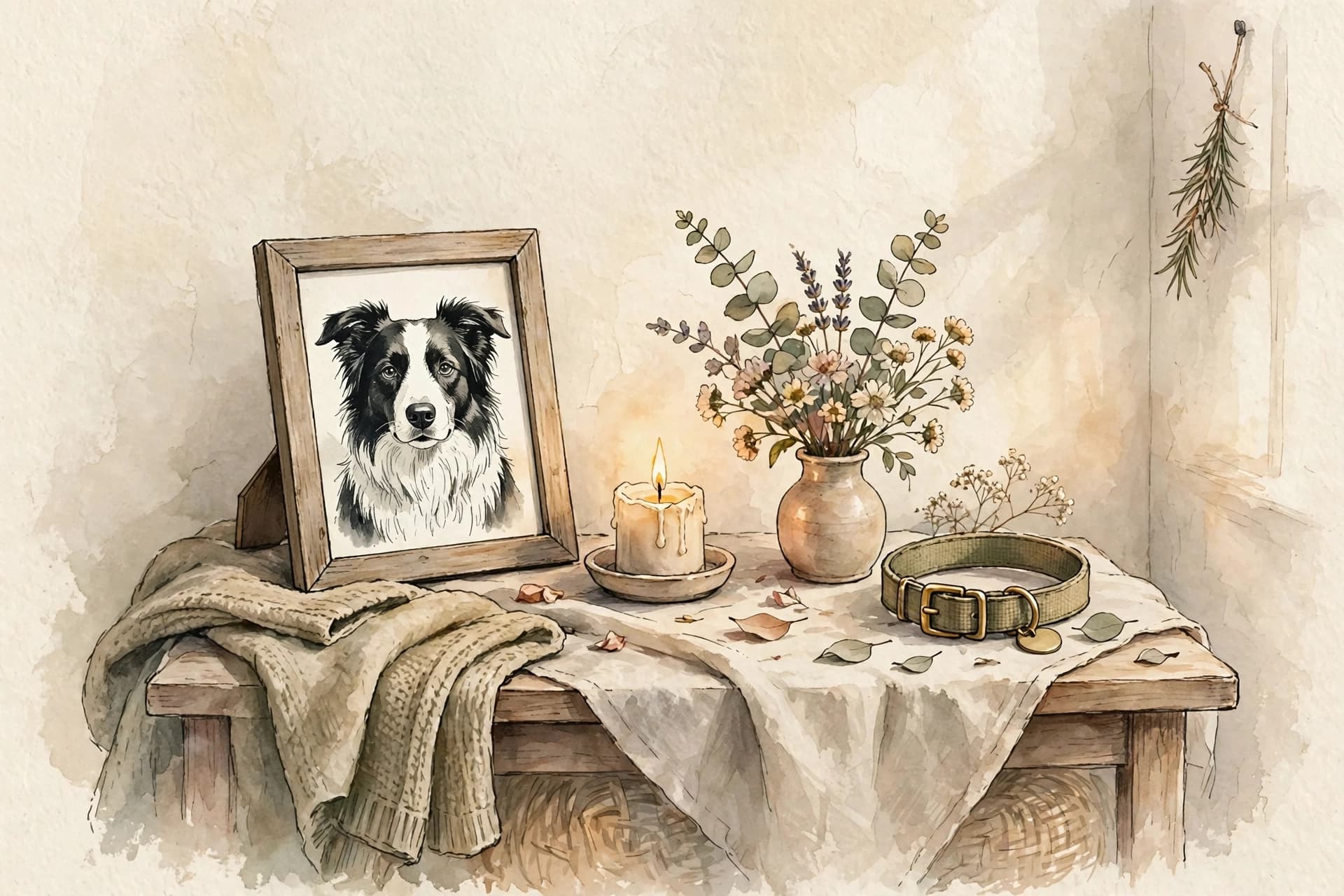
- A framed photo of the pet. If you have a good photo, print it and frame it. If you only have phone photos, a simple frame from a local shop works just as well. Write the pet's name and dates on the back, in your own handwriting.
- A custom portrait. An artist's drawing or a printed portrait of the pet, based on a photo you already have. Costs vary, so choose what fits your budget. The point is the likeness, not the price.
- A meal, delivered. A casserole, a takeout voucher, or a grocery delivery. Grieving people forget to eat, and a meal that needs no cooking is practical kindness. Include a note with the pet's name, not just "thinking of you."
- A plant or a tree. A small potted plant that can live on a windowsill, or a tree planted in a garden or a memorial forest. Plants work better than cut flowers, because they last, and because a living thing suits a tribute better than something that fades in a week.
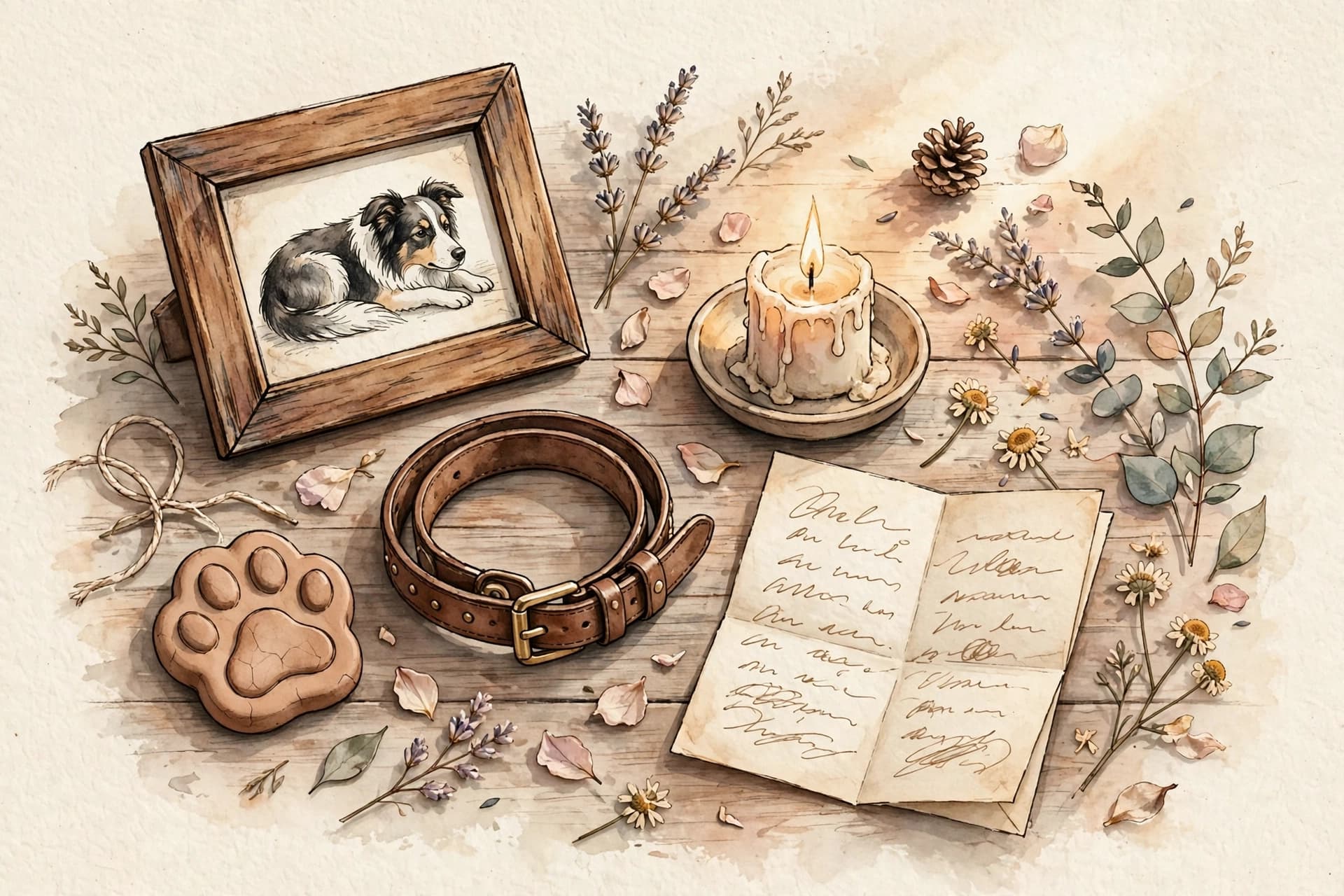
- A keepsake with the pet's name on it. A stone, a wooden ornament, a simple tag, or a candle. Something small enough to keep on a shelf, with the name spelled right.
- A donation in the pet's name. To a shelter, a rescue, or a veterinary charity. Send the receipt or the acknowledgment card to the owner, so they can see their pet's name attached to something good.
What is the best gift if I am far away?
Distance does not mean you cannot give something real. A meal delivery voucher to their favorite restaurant, ordered online and sent to their door, is one of the best long distance gifts, because it solves the problem of dinner without asking them to cook or to go out. A grocery delivery works the same way. If you want something more personal, have a framed photo printed and shipped from an online print shop, or send a handwritten card by post. A card that arrives in the mail, days after the news, often means more than a text sent in the first hour, because it shows you were still thinking about them.
Another good option is a tree planted through a memorial forest or a donation to a shelter near them, with the acknowledgment card sent to their address. If several friends want to give together, pool the money and buy one good thing, a portrait, a memorial stone, or a donation, rather than five small ones. One thoughtful gift from a group carries more weight than a pile of small ones, and it is easier for the grieving person to receive.
What should I not give?
Some gifts hurt more than they help, usually because they rush the grieving person toward feeling better.
- A replacement pet. Never give someone a new animal. Choosing a new pet is deeply personal, and a surprise pet feels like the giver is trying to plug a hole. If they want another dog later, that is their decision to make.
- Anything with a cheerful message about moving on. Cards that say "time heals all wounds" or "they are in a better place" sound like dismissal to a person who is still raw. If you are unsure what to write, our guide on what to say to someone who lost a pet has exact words that work.
- Food that needs cooking. A bag of ingredients is a chore, not a gift.
- A large or elaborate memorial. A big garden statue or an expensive urn can feel overwhelming in the first week, and it can feel like the giver is performing grief rather than sharing it. Small and sincere beats big and showy.
- Nothing at all. The most common regret people have is not that they gave the wrong thing, but that they gave nothing because they were afraid of saying the wrong thing.
Is a donation in the pet's name a good gift?
Yes, and for many owners it is the best gift of all. It turns a private loss into something that helps another animal, and it gives the pet's name a place in the world after they are gone. A few things make a donation gift work well:
Choose somewhere the pet's owner would approve of. Their local shelter, the rescue they adopted from, or a charity for the breed or the condition their pet had. Send the donation in the pet's name, not yours, and make sure the acknowledgment goes to the owner. If the shelter sends a card, ask for it to include the pet's name.
When should I send it?
Send something small in the first week, and then send something again in week three. The first week is when everyone is paying attention, and a short note with a meal or a framed photo will be welcome. Week three is when the calls stop, the flowers die, and the grieving person is suddenly alone with the quiet house. That is when a second note, a small plant, or a donation acknowledgment lands hardest.
If you missed the first week entirely, do not let that stop you. A gift that arrives late is still a gift, and many owners say the late ones meant the most, because they proved the pet was not forgotten after the news faded.
If you want to send something in week three, the best choices are small and quiet: a plant, a meal voucher, a short note that says you are still thinking of them. And if you can, mark the first anniversary too. A message on the day, a year later, that says "I remembered Milo today" is the gift owners talk about for years afterwards. Anniversaries are when the world has moved on and the grieving person has not, and being remembered on that day is worth more than any object.
How do I write the card?
The card matters more than the gift, and most people find the card harder to write. Keep it short. Three or four lines are enough, and short is kinder than long, because a long card asks a grieving person to read a lot when they can barely concentrate.
Use the pet's name, and say one specific thing. "I am so sorry about Milo. I remember how he used to wait by your gate every morning, and how happy he was to see you. I am thinking of you, and I am here if you need anything." That is a whole card, and it is a good one. The name tells them you remember the dog as a real being. The specific memory tells them you were paying attention. The offer at the end tells them you mean it.
Do not write about moving on, or about time healing, or about the pet being in a better place. Do not write about your own pets, unless the memory is theirs too. And sign your full name, not just a first name, so they know exactly who remembered.
What if I do not know them well?
Then keep it small and simple. A sympathy card with the pet's name in it is enough. If you are a colleague, a neighbor, or a distant friend, a short message and a modest gift, a plant or a meal voucher, shows care without overstepping. You do not need to know the pet's whole story to honor it. You only need to use the name, and to be specific about one thing: "I remember how much you loved walking her in the mornings" is worth more than a generic "sorry for your loss."
If you are not sure what they would want, ask one question: "Would a photo, a plant, or a donation in her name mean the most?" Letting them choose is itself a kindness.
For more ideas, our guide on pet memorial ideas lists twenty ways owners have honored a pet, and several of them make thoughtful gifts.
Frequently asked questions
How much should I spend?
There is no right amount. A framed photo you printed yourself can mean more than a hundred dollar portrait, because it is personal. Put the care into the note, not the price tag.
Is it okay to give a gift months later, on an anniversary?
Yes, and it is often the most appreciated gift of all. The first birthday or the first anniversary without a pet is a hard day, and a note that says "I remembered" can make it bearable. Mark the date if you can.
What if the person has another pet?
A gift for the pet who died is still appropriate. Do not redirect the gift to the surviving pet, and do not say "at least you still have the other one."
Should I give the gift in person or send it?
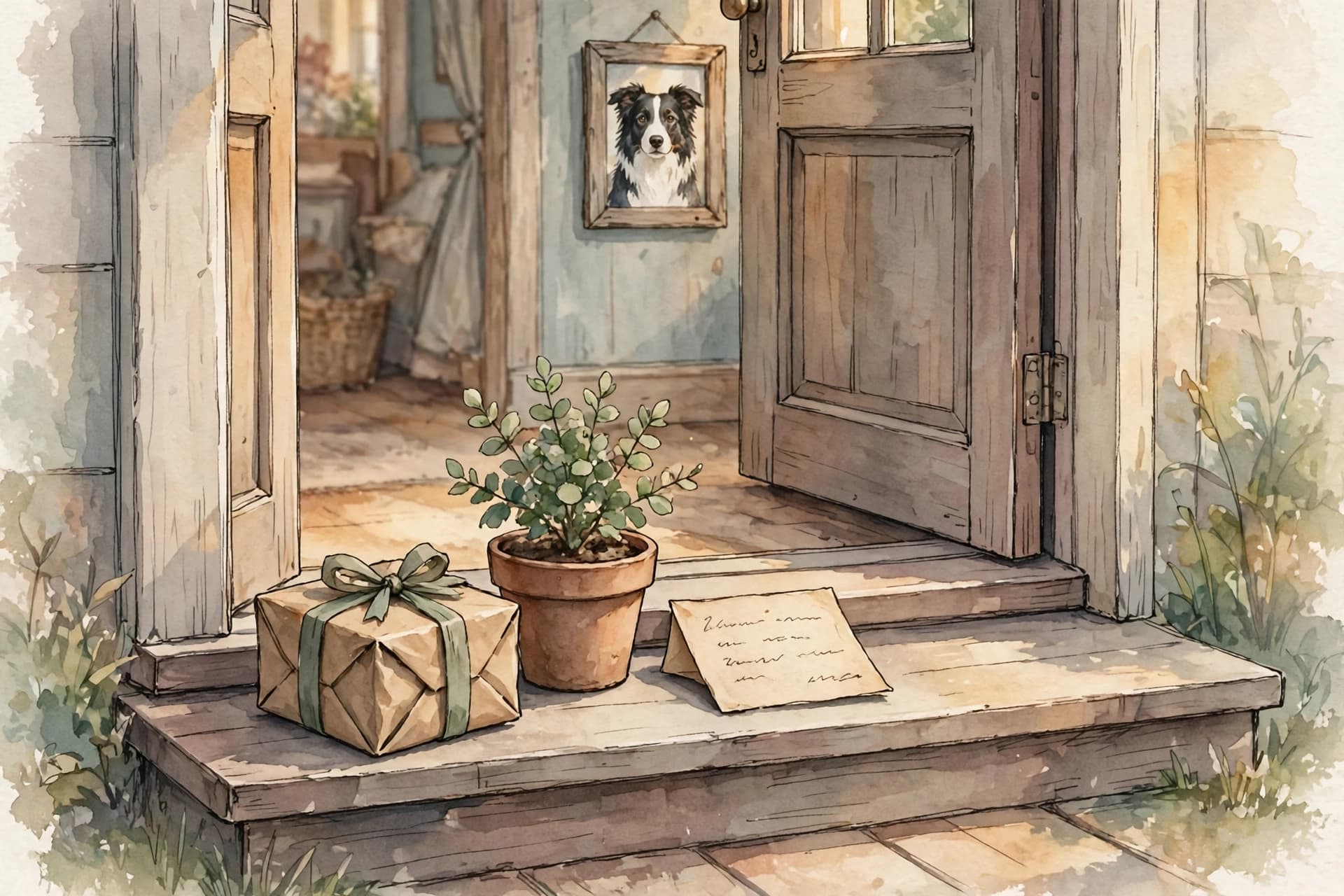
In person if you are close and they have said they want company. By post or delivery if you are far away, or if they have asked for space. A gift left quietly at the door with a note is a good middle ground.
What if I never met the pet?
Say so, honestly. "I never got to meet Bailey, but I know how much he meant to you" is a better message than pretending. The owner will be glad you used the name.